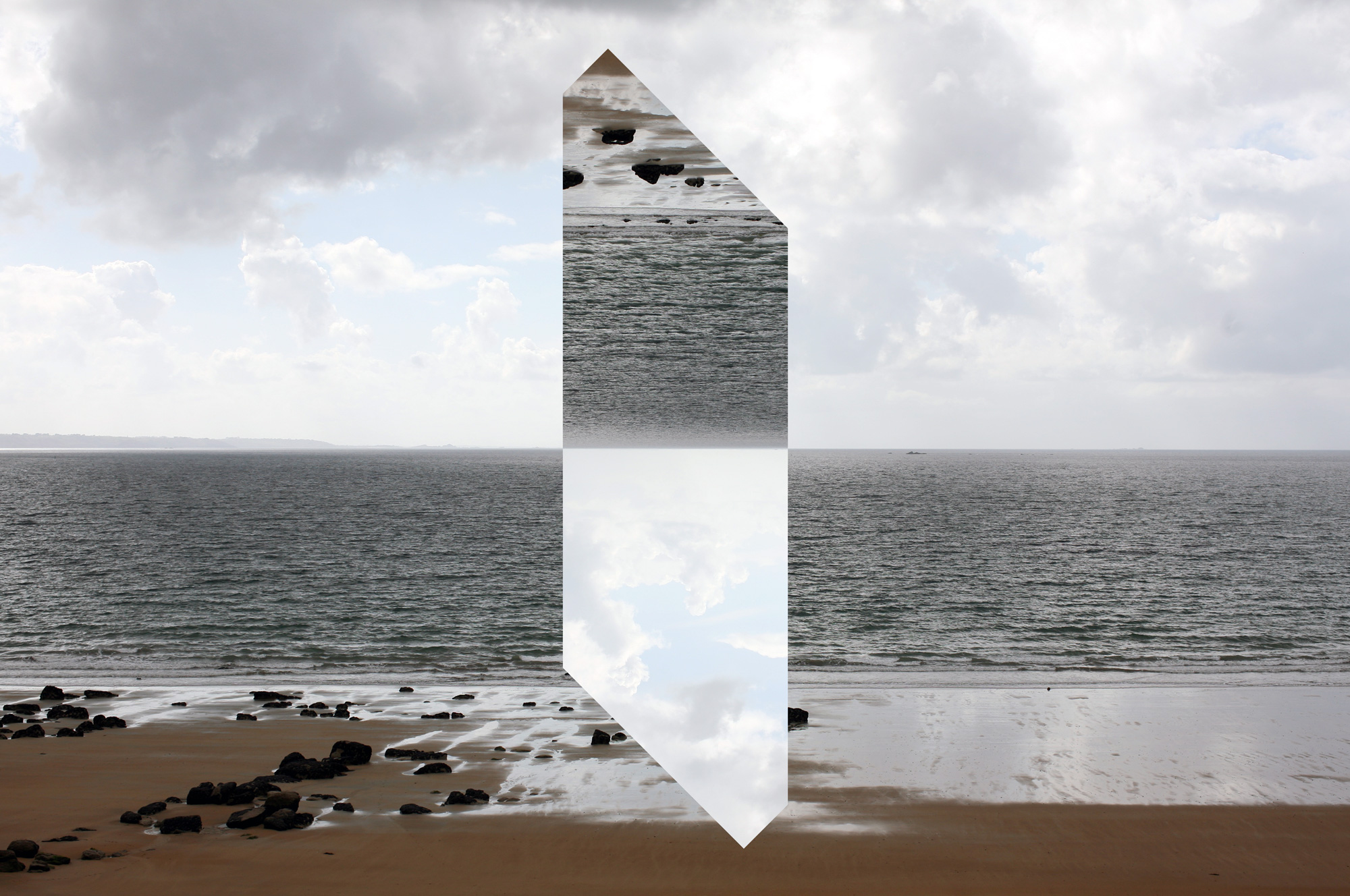
Réalisé en 2015, Isometric Monolith est un ensemble photographique composé de trois séries, Signe, Contact et Message. Dans chacune d’elles, une forme géométrique isométrique apparaît au sein d’un paysage, parfois de manière presque imperceptible. Le monolithe semble appartenir à l’image tout en introduisant une rupture dans sa continuité.
La forme n’est pas simplement superposée au paysage. Construite à partir de déplacements et de retournements de l’image, elle perturbe la perspective et produit un espace impossible. Le regard hésite alors entre volume, découpe, reflet, porte ou absence. Ce qui paraît d’abord être une anomalie devient progressivement une présence.
Les trois séries déplacent le statut de cette apparition. Dans Signe, le monolithe agit comme un indice inscrit dans le paysage. Message accentue l’idée d’une forme à interpréter, comme si l’image contenait une information dont le code nous échappe. Contact transpose cette présence dans des paysages cosmiques issus notamment d’images astronomiques de Hubble, rapprochant davantage le monolithe des imaginaires de communication, de passage et de science-fiction.
Isometric Monolith travaille ainsi sur la limite entre perception et interprétation. La géométrie ne délivre aucun message explicite : elle produit les conditions d’un doute. Quelque chose semble avoir eu lieu, être présent ou chercher à apparaître, sans que l’image permette de déterminer exactement quoi.
Entre paysage, abstraction et science-fiction, le monolithe fonctionne finalement comme un signal sans contenu défini. Il ne résout pas l’image, il l’ouvre à une autre lecture.
Signe, 2015, tirage lambda sur diasec avec chassis aluminium, 54 x 36 cm.
Série de 6 photographies en 5 ex. + 2 E/A.
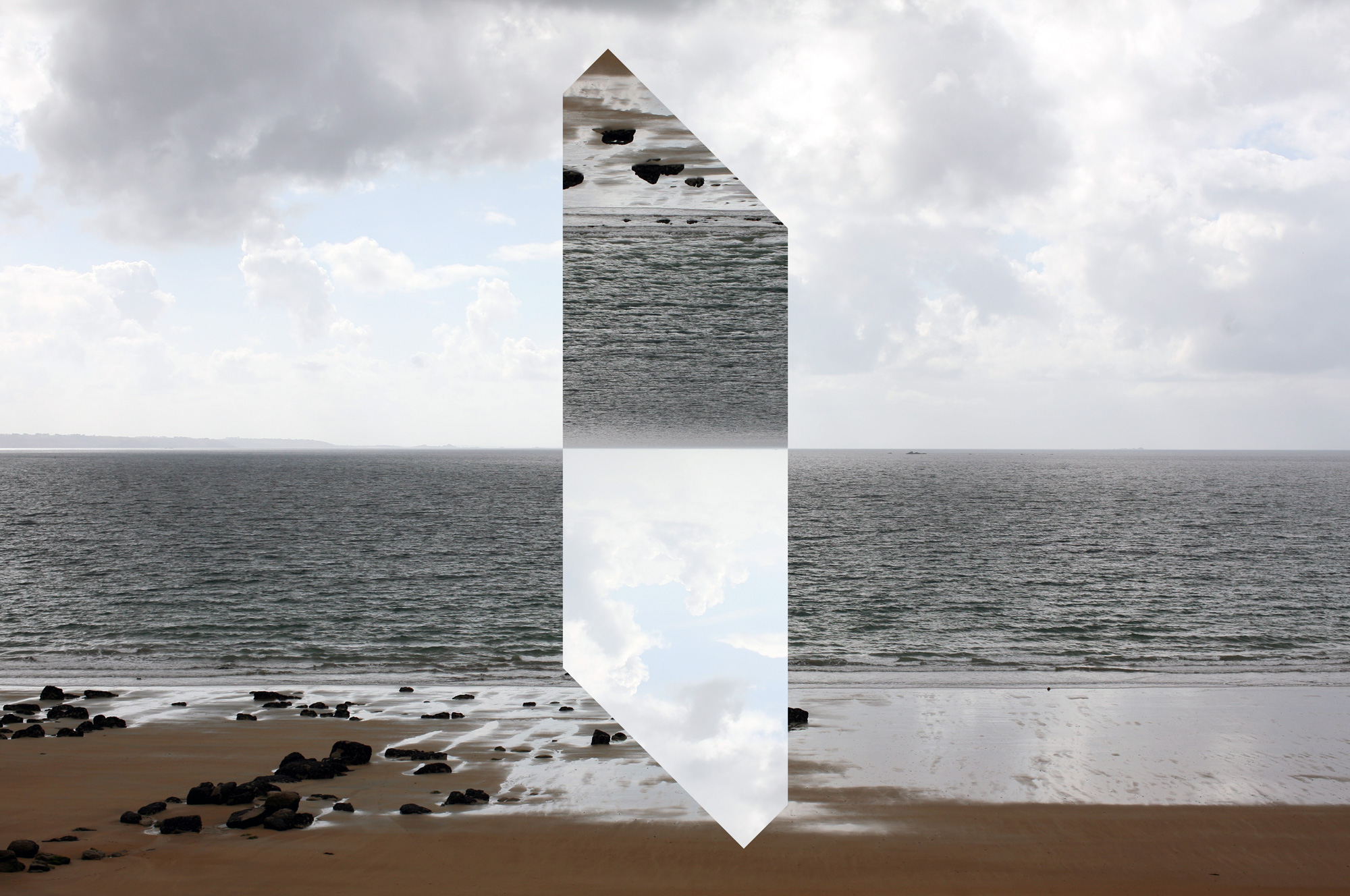
n°1
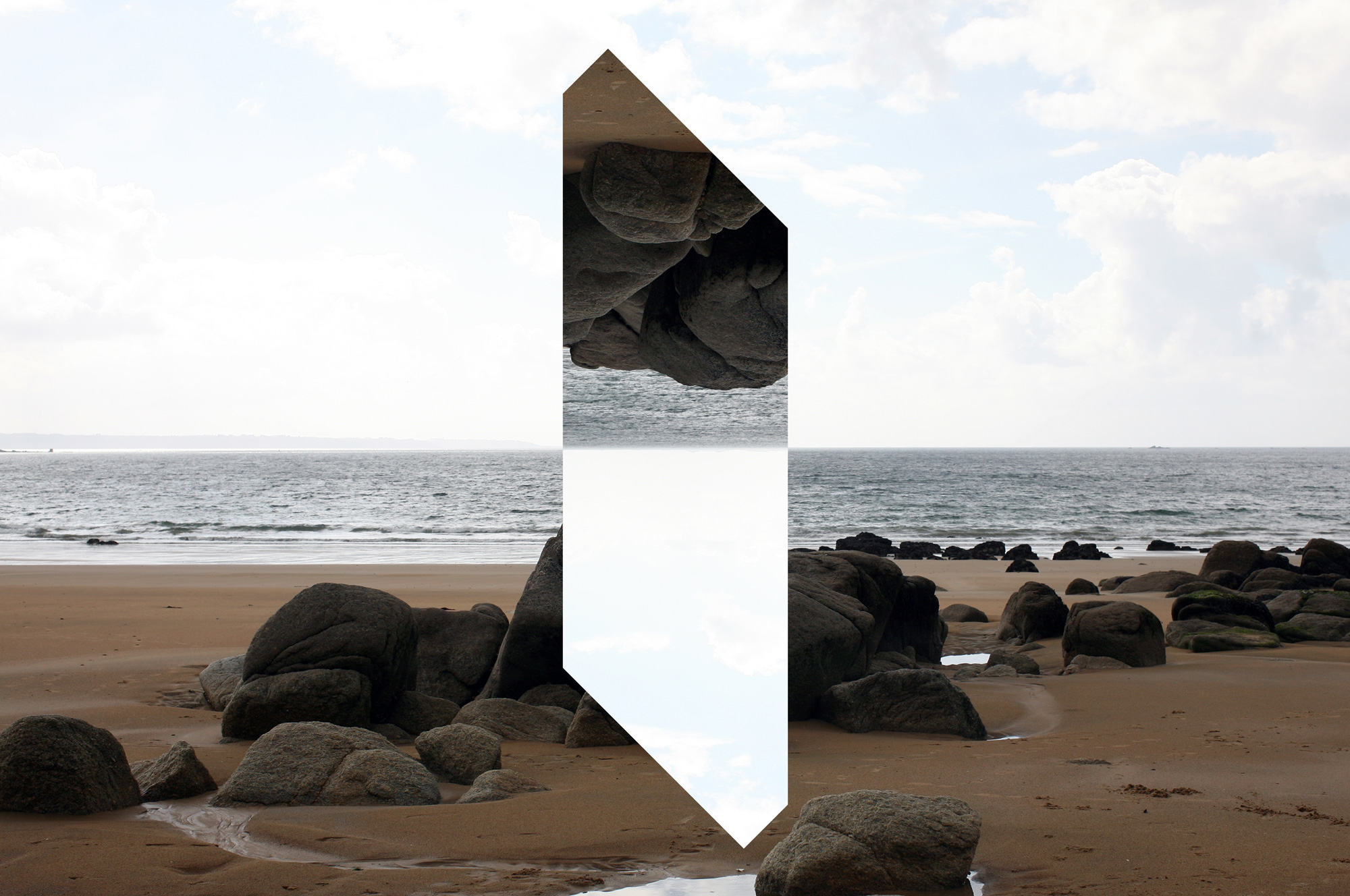
n°2

n°3

n°4
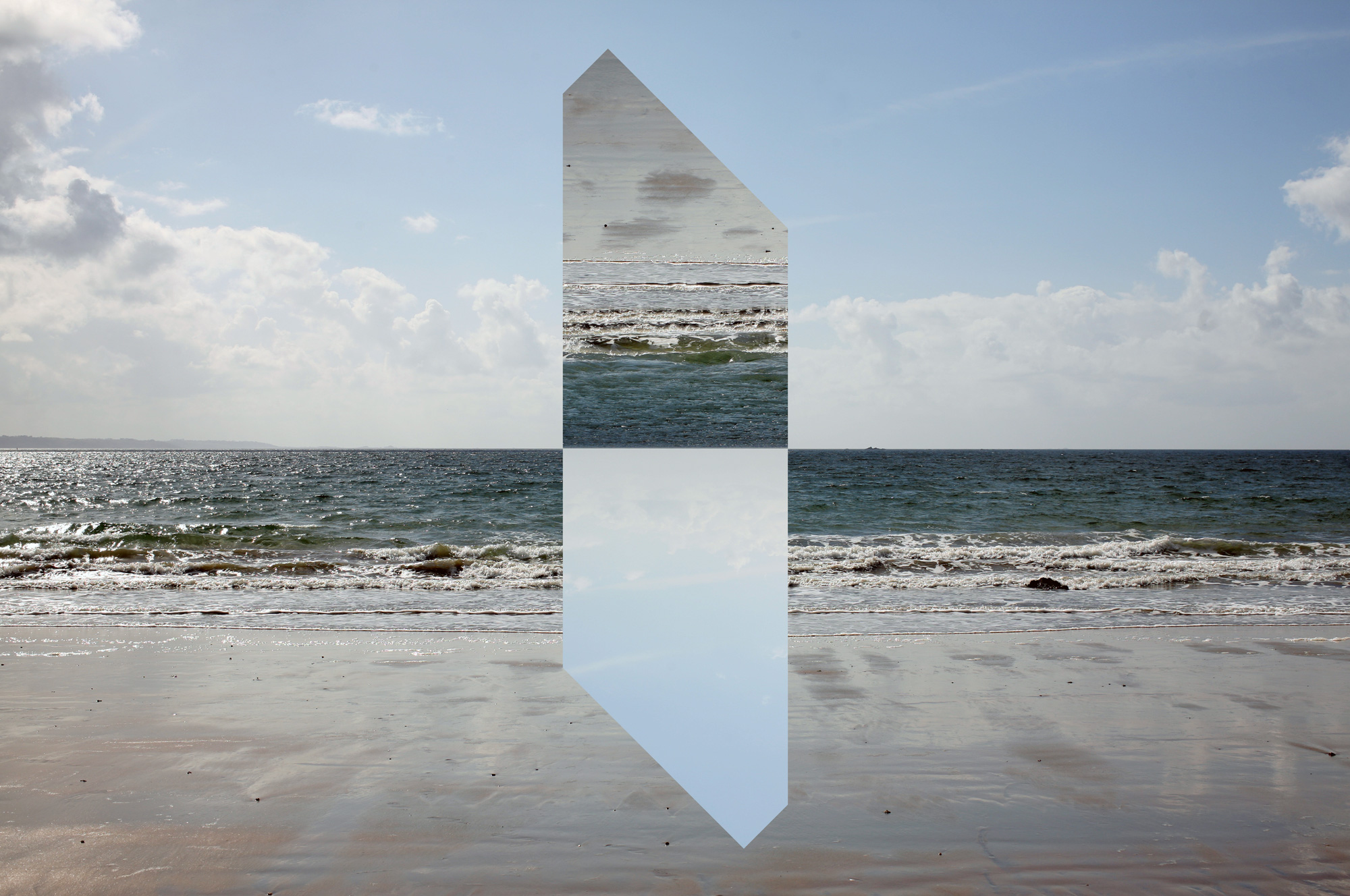
n°5

n°6
Contact, 2015, tirage lambda sur diasec avec chassis aluminium, 54 x 36 cm.
Série de 8 photographies en 5 ex. + 2 E/A
Images empruntées au top 100 de Hubble Space Telescope / Original image by ESA/Hubble
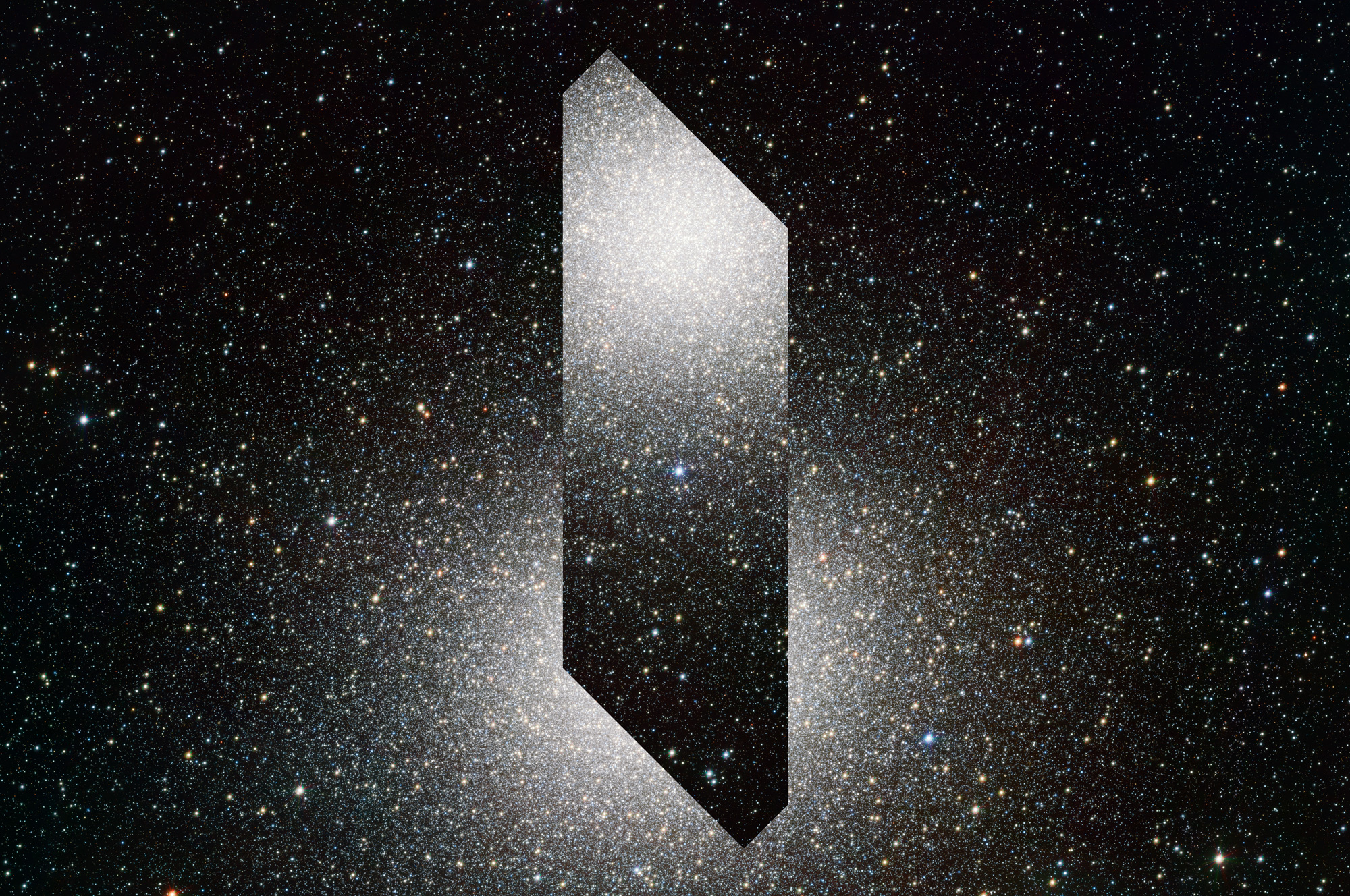
L’image de VST de l’amas globulaire géant d’Omega Centauri
Credit: ESO/INAF-VST/OmegaCAM. Acknowledgement: A. Grado, L. Limatola/INAF-Capodimonte Observatory
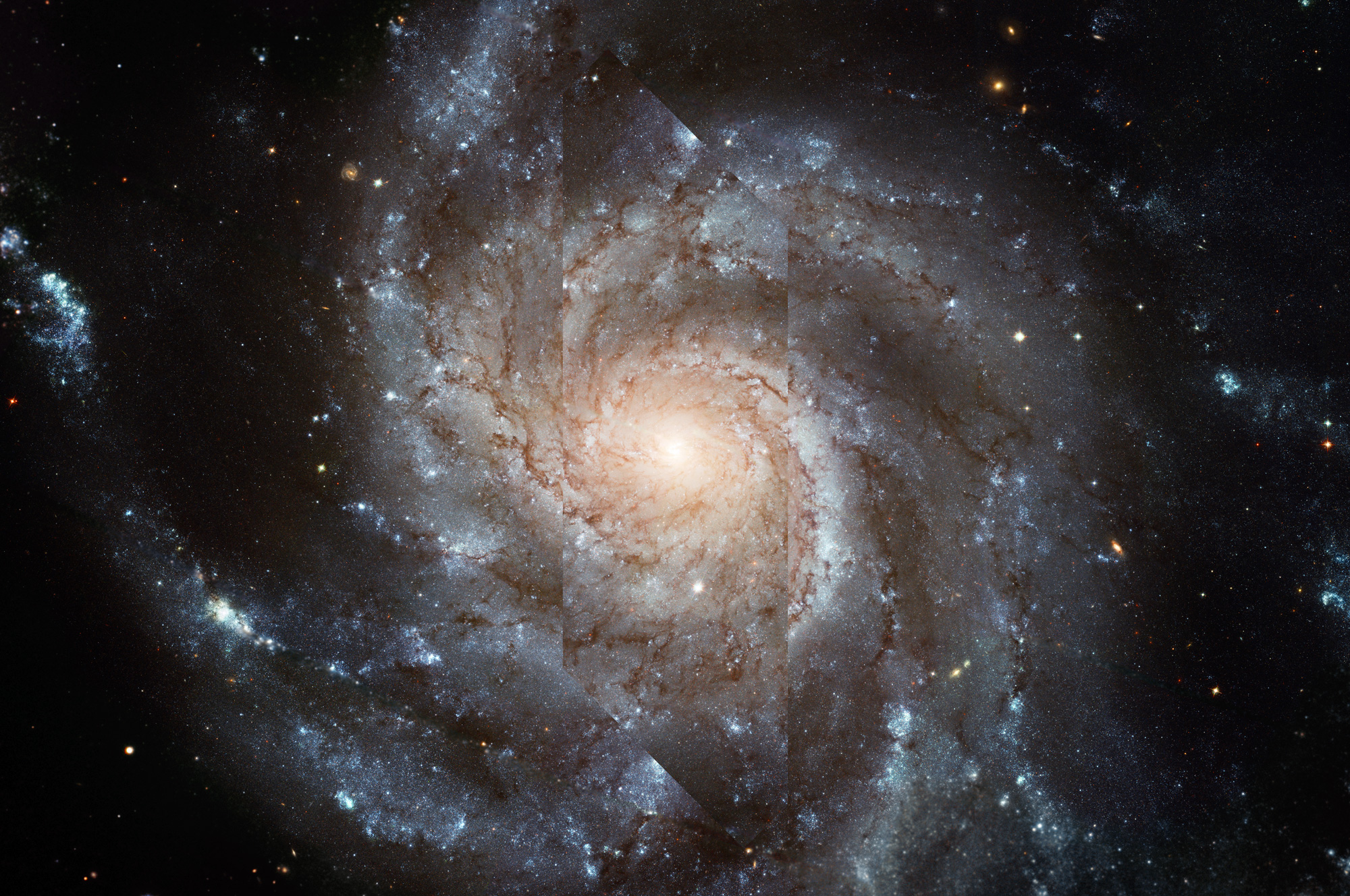
Largest ever galaxy portrait – stunning HD image of Pinwheel Galaxy
Credit: Image: European Space Agency & NASA
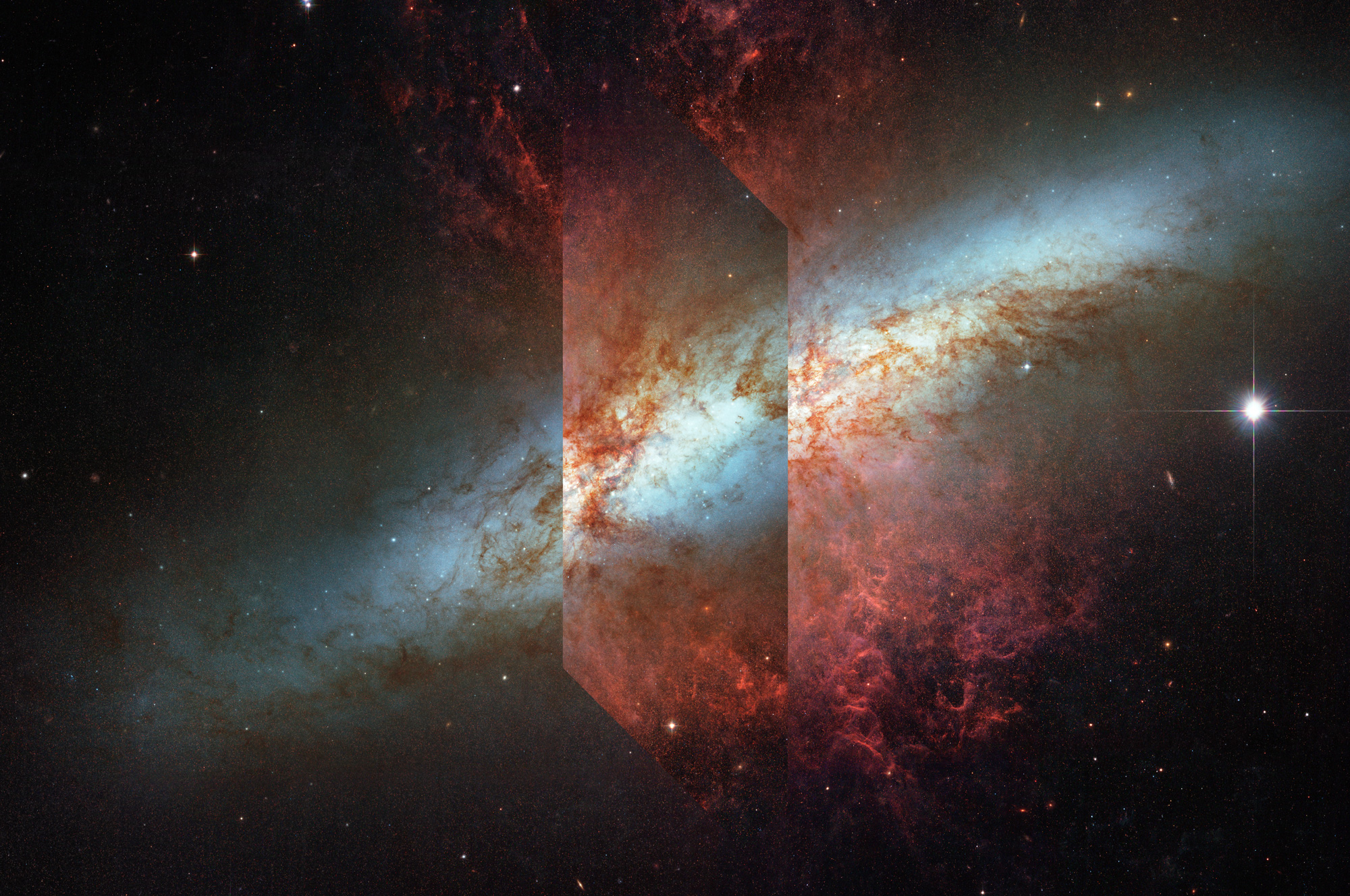
The magnificent starburst galaxy Messier 82
Credit: NASA, ESA and the Hubble Heritage Team STScI/AURA

Hubble view of the huge star formation region N11 in the Large Magellanic Cloud
Credit: NASA, ESA and Jesús Maíz Apellániz (Instituto de Astrofísica de Andalucía, Spain)

Hubble’s panoramic view of a star-forming region
Credit: NASA, ESA, ESO, D. Lennon and E. Sabbi (ESA/STScI), J. Anderson, S. E. de Mink, R. van der Marel, T. Sohn, and N. Walborn (STScI), N. Bastian (Excellence Cluster, Munich), L. Bedin (INAF, Padua), E. Bressert (ESO), P. Crowther (Sheffield), A. de Koter (Amsterdam), C. Evans (UKATC/STFC, Edinburgh), A. Herrero (IAC, Tenerife), N. Langer (AifA, Bonn), I. Platais (JHU) and H. Sana (Amsterdam)
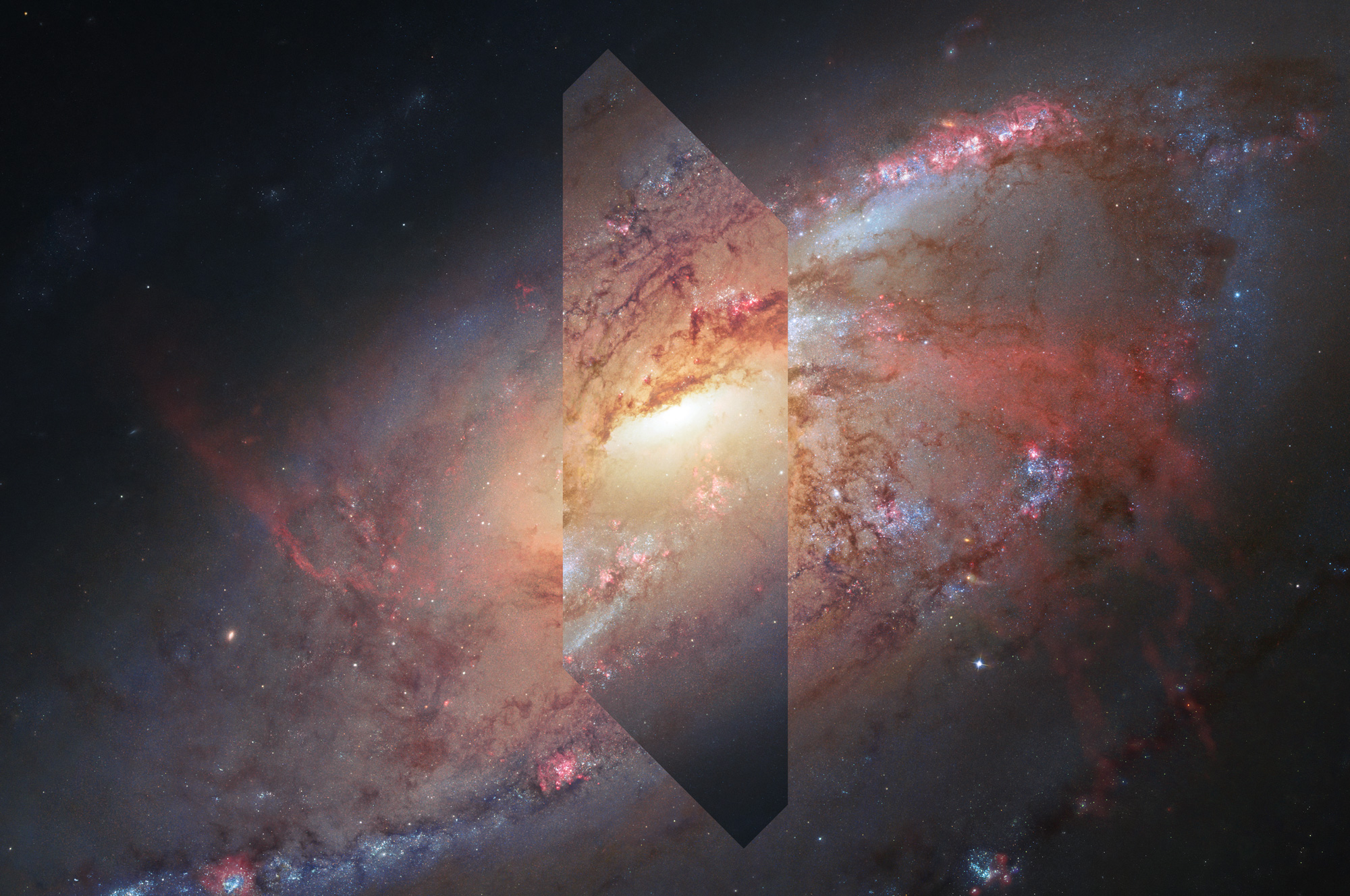
Hubble view of M 106
Credit: NASA, ESA, the Hubble Heritage Team (STScI/AURA), and R. Gendler (for the Hubble Heritage Team).

Stellar fireworks are ablaze in galaxy NGC 4449
Credit: NASA, ESA, A. Aloisi (STScI/ESA), and The Hubble Heritage (STScI/AURA)-ESA/Hubble Collaboration
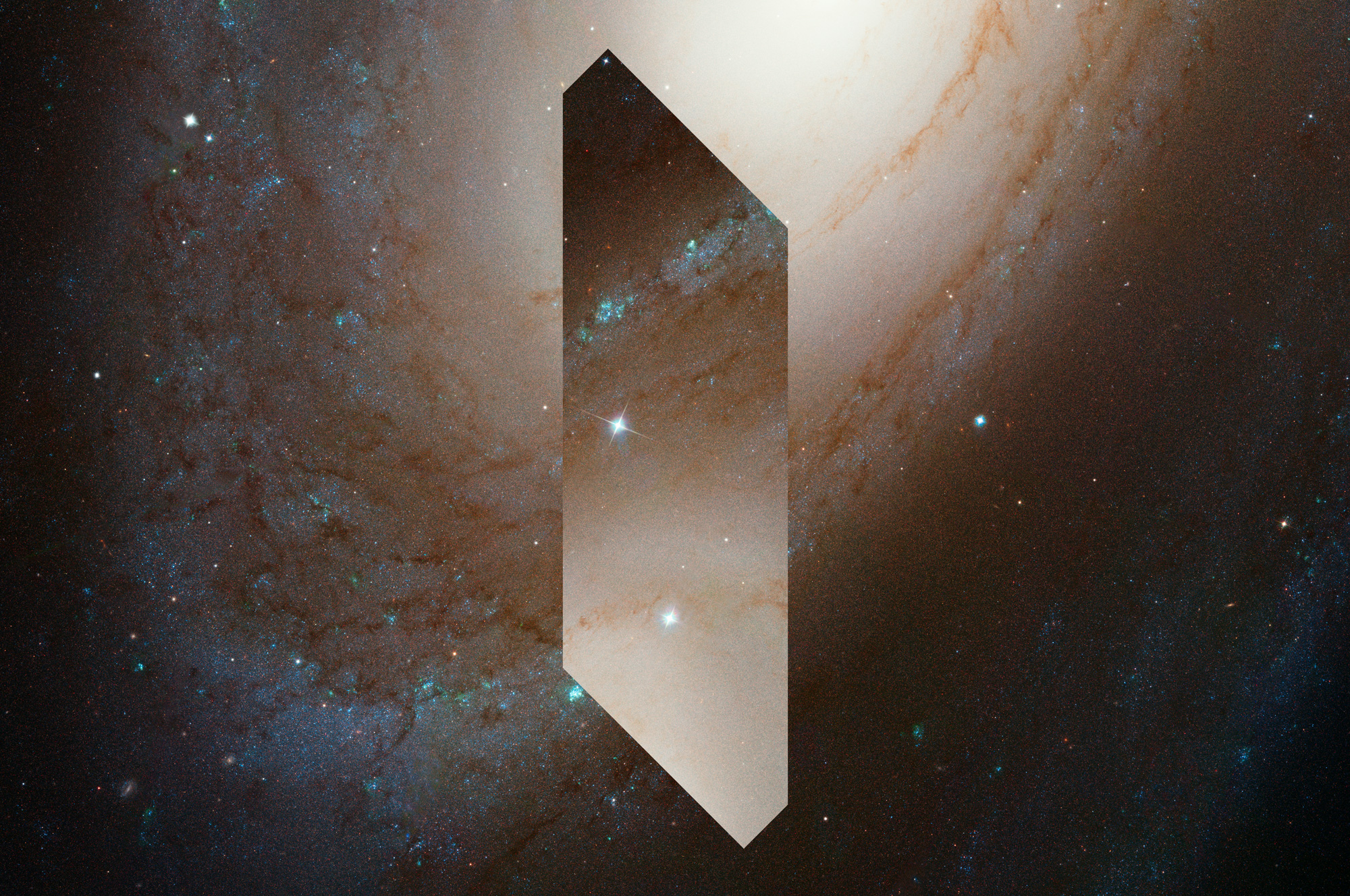
Spiral galaxy M81
Credit: NASA, ESA, A. Zezas (CfA), and A. Filippenko (UC Berkeley)
Message, 2015, tirage lambda sur diasec avec chassis aluminium, 54 x 36 cm.
Série de 20 photographies en 5 ex. + 2 E/A.
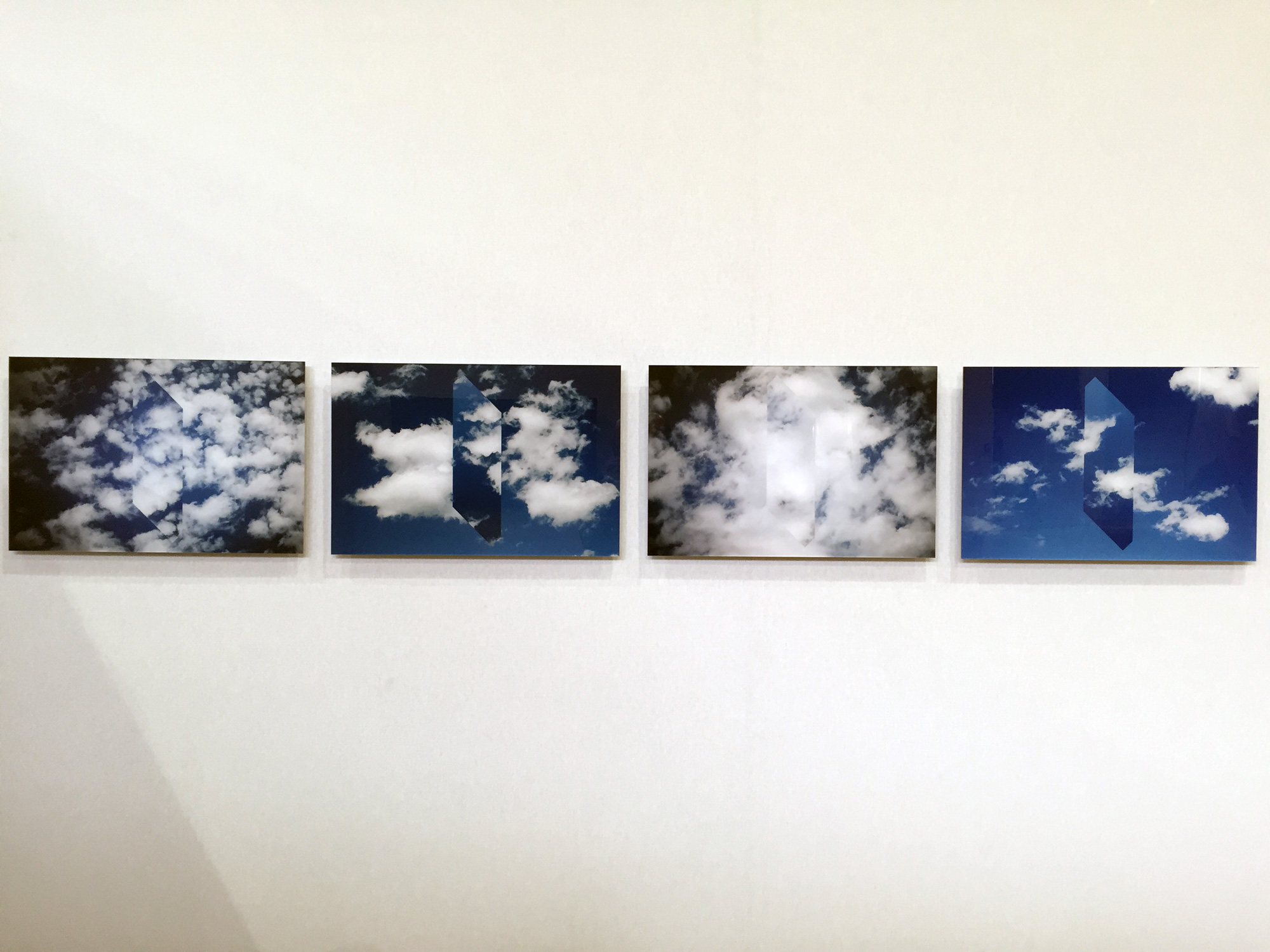
Exposition Variation 2015, Paris.
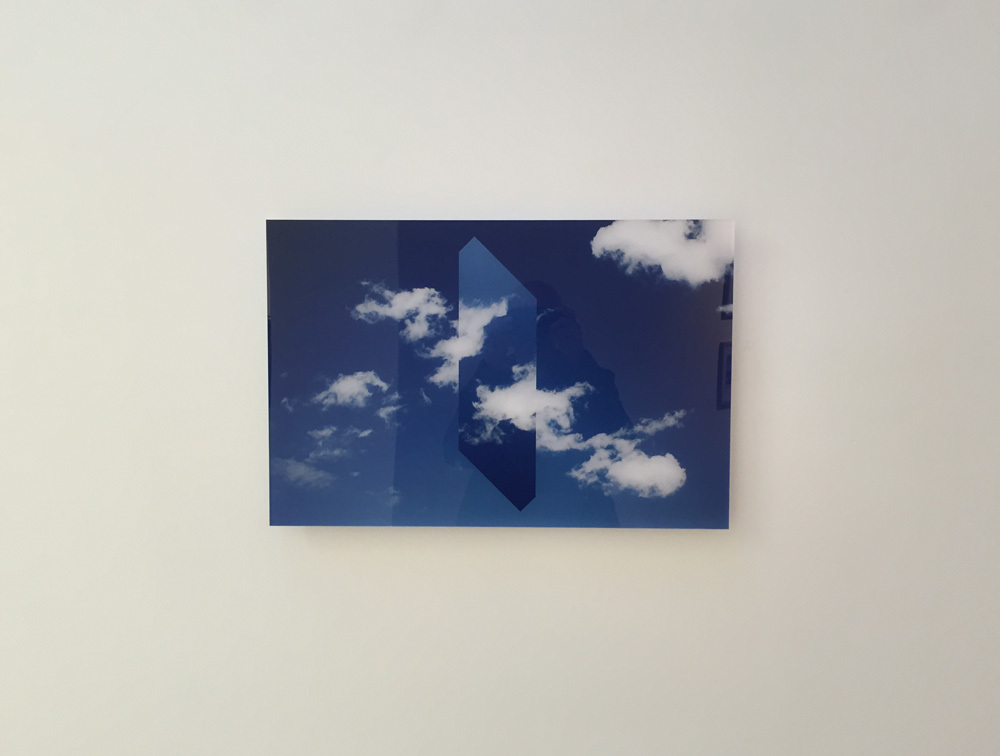
Exposition Capturer l’éphémère, 2015, Galerie Vanessa Quang, Paris.

n°1

n°2

n°3
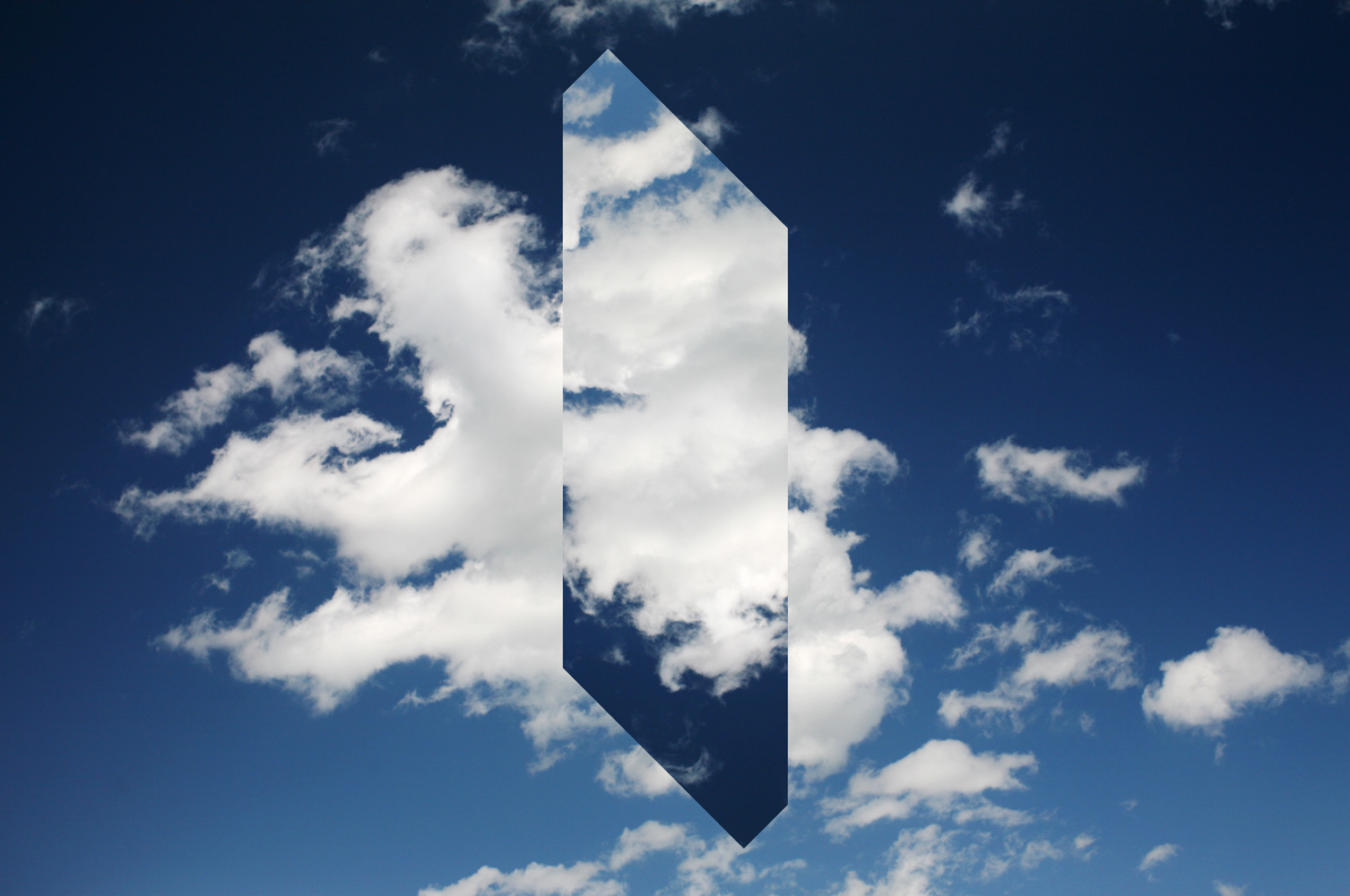
n°4

n°5

n°6

n°7

n°8
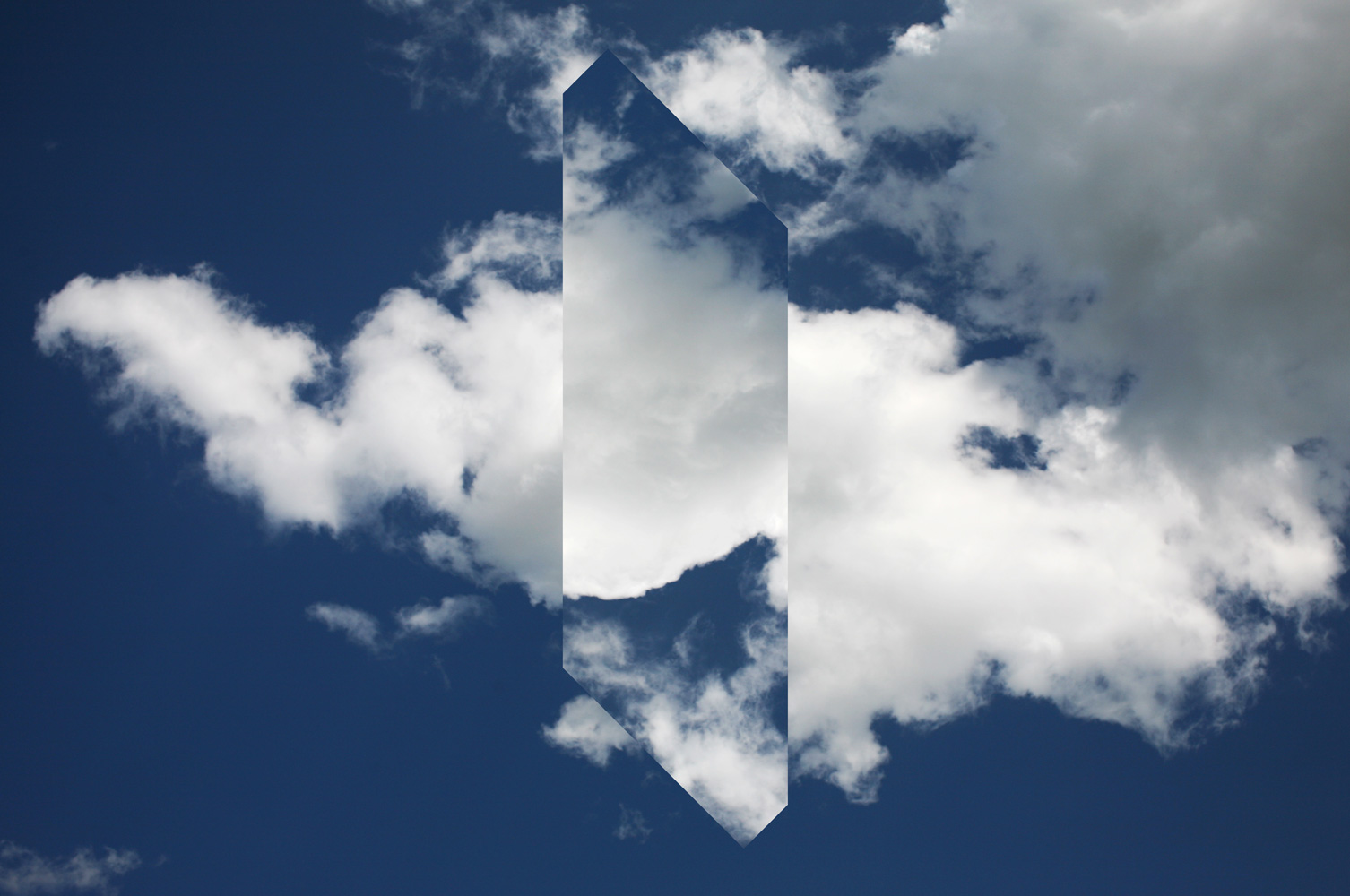
n°9

n°10

n°11

n°12
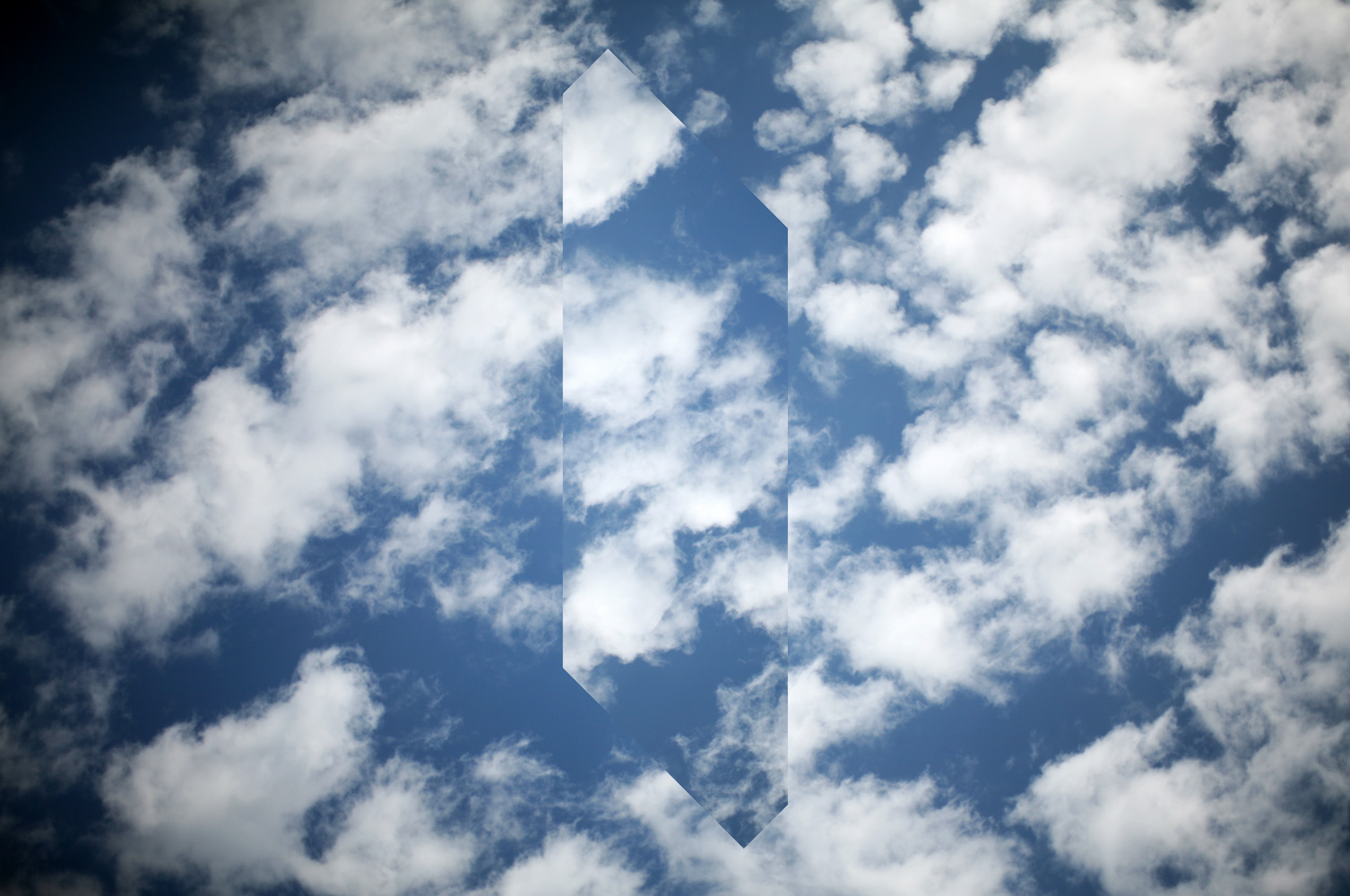
n°13

n°14

n°15
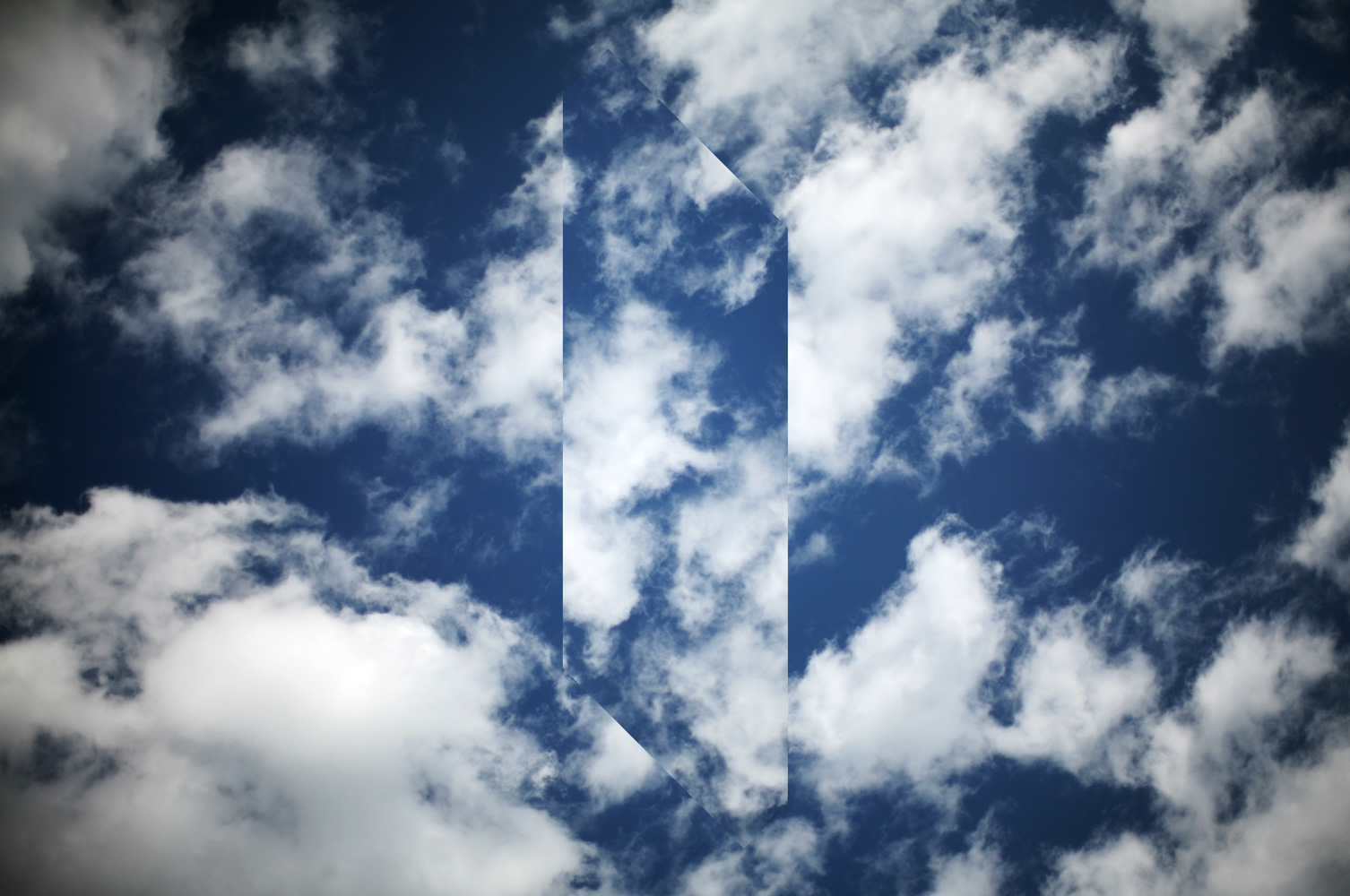
n°16
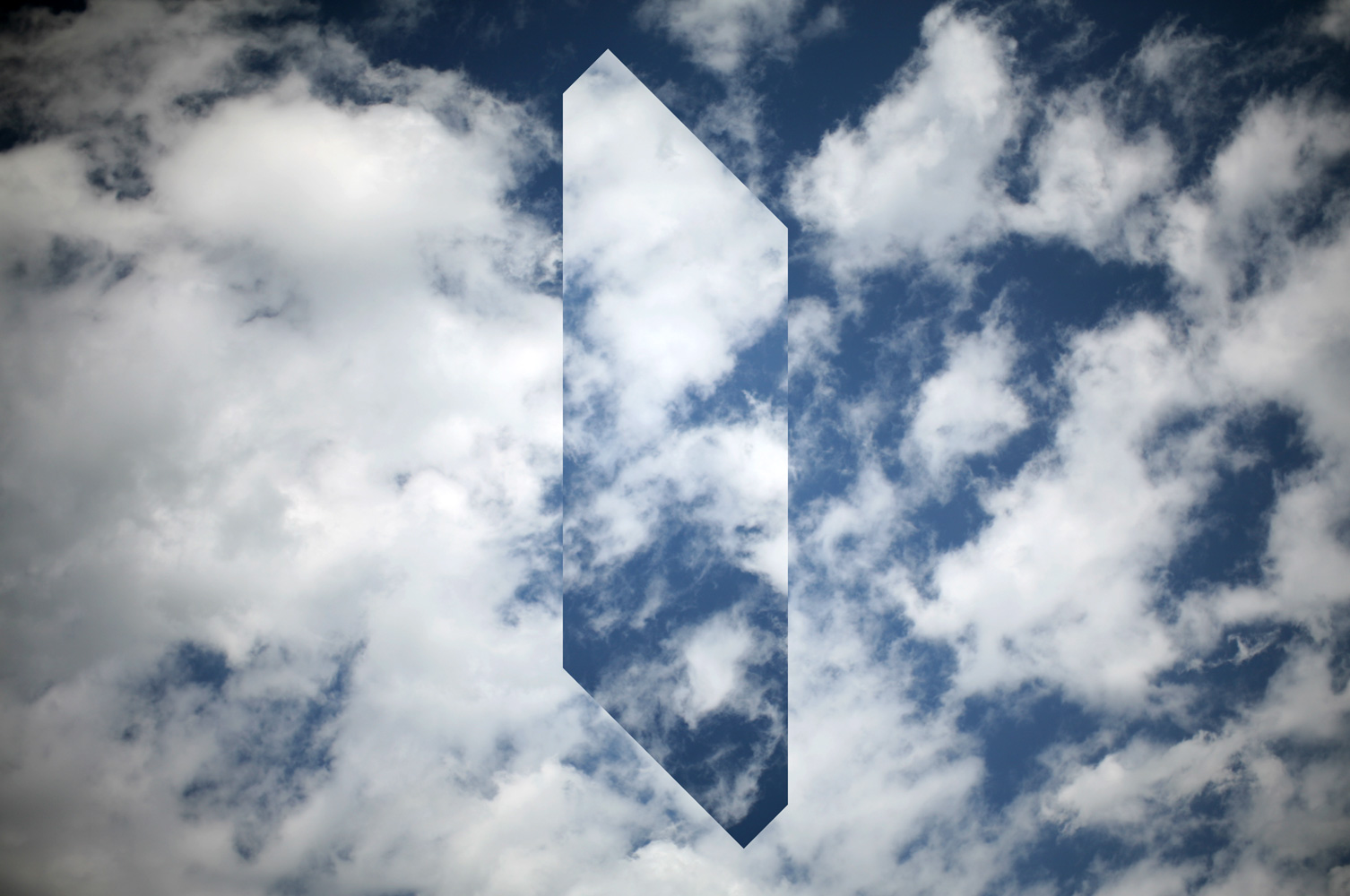
n°17

n°18

n°19

n°20