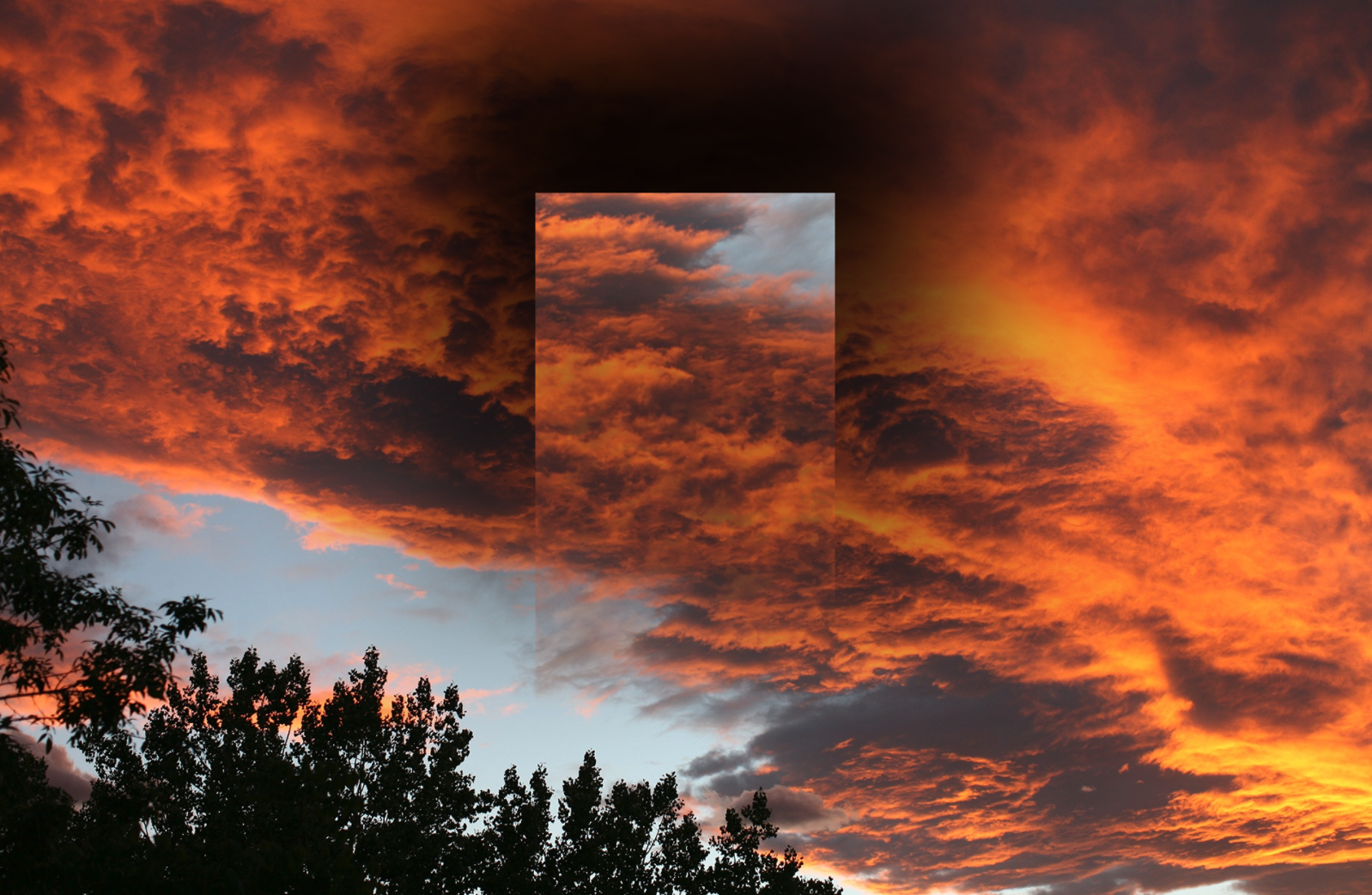
2015-20, site internet, photographie (Projet mis en pause en avril 2022 > archive : https://mnlths.tumblr.com/))
http://www.reynalddrouhin.net/works/monoliths/
Conception et direction artistique : Reynald Drouhin
Ingénierie et développement : Sébastien Courvoisier
Graphisme : Sophie Blum
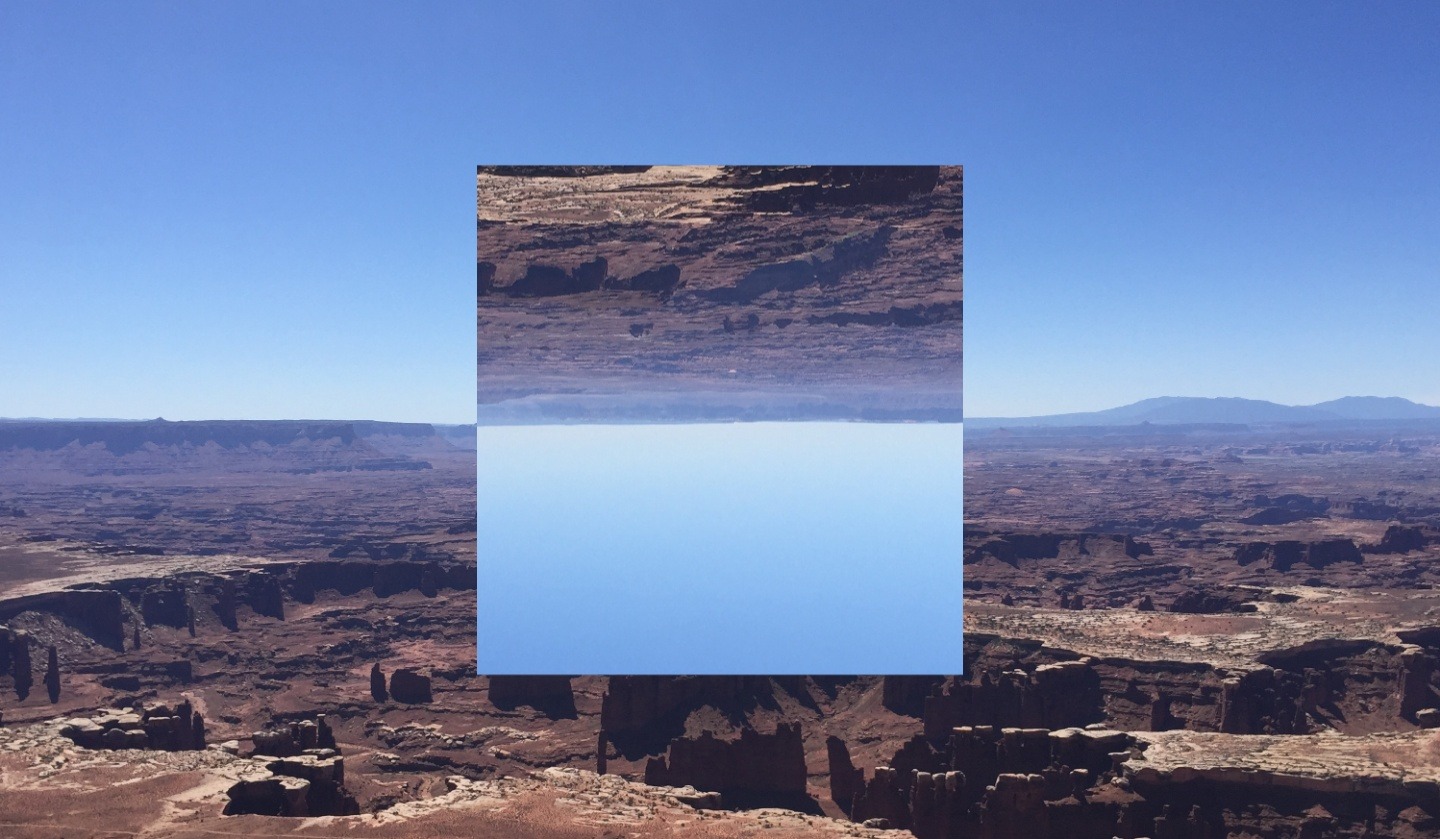
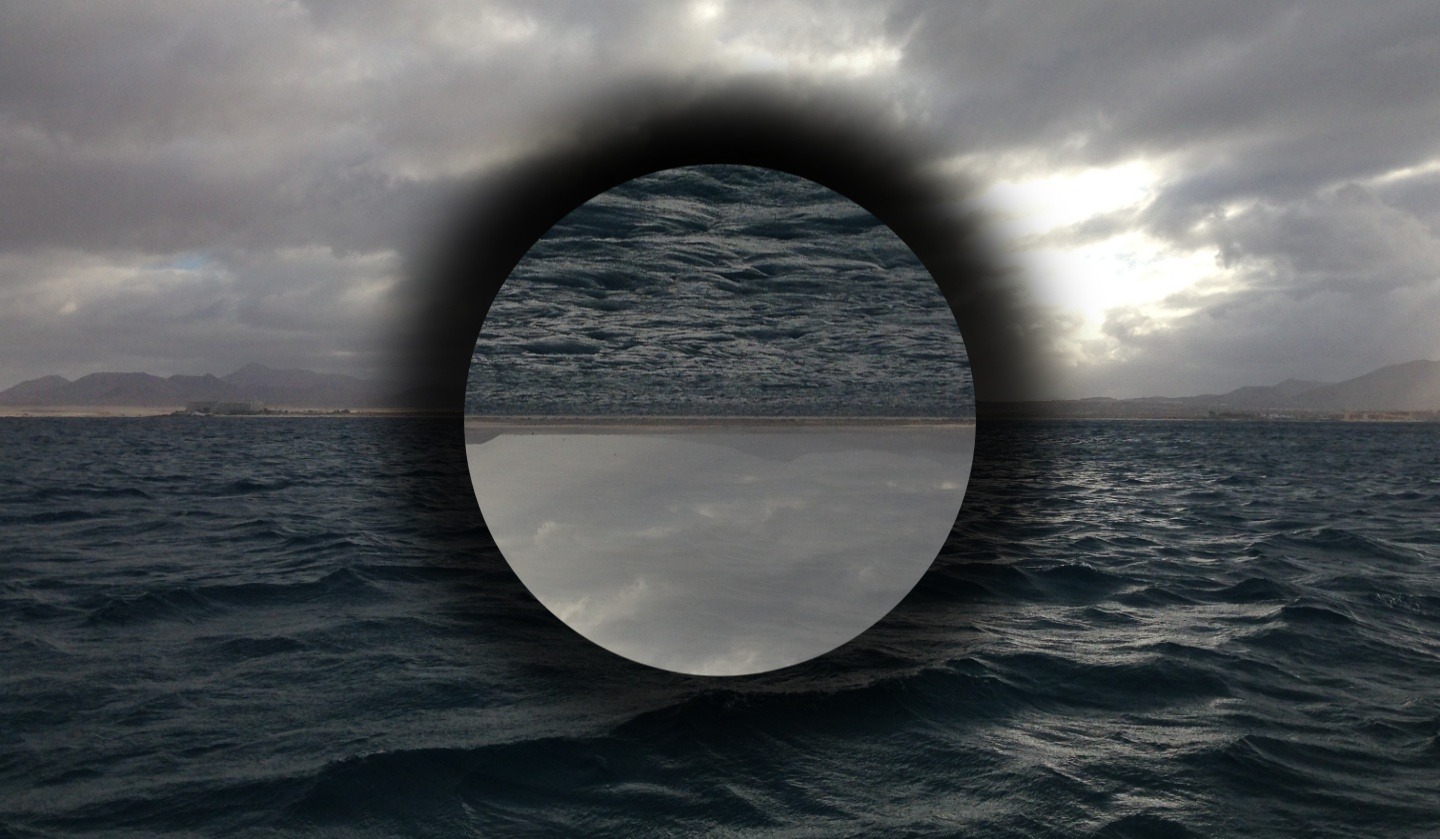
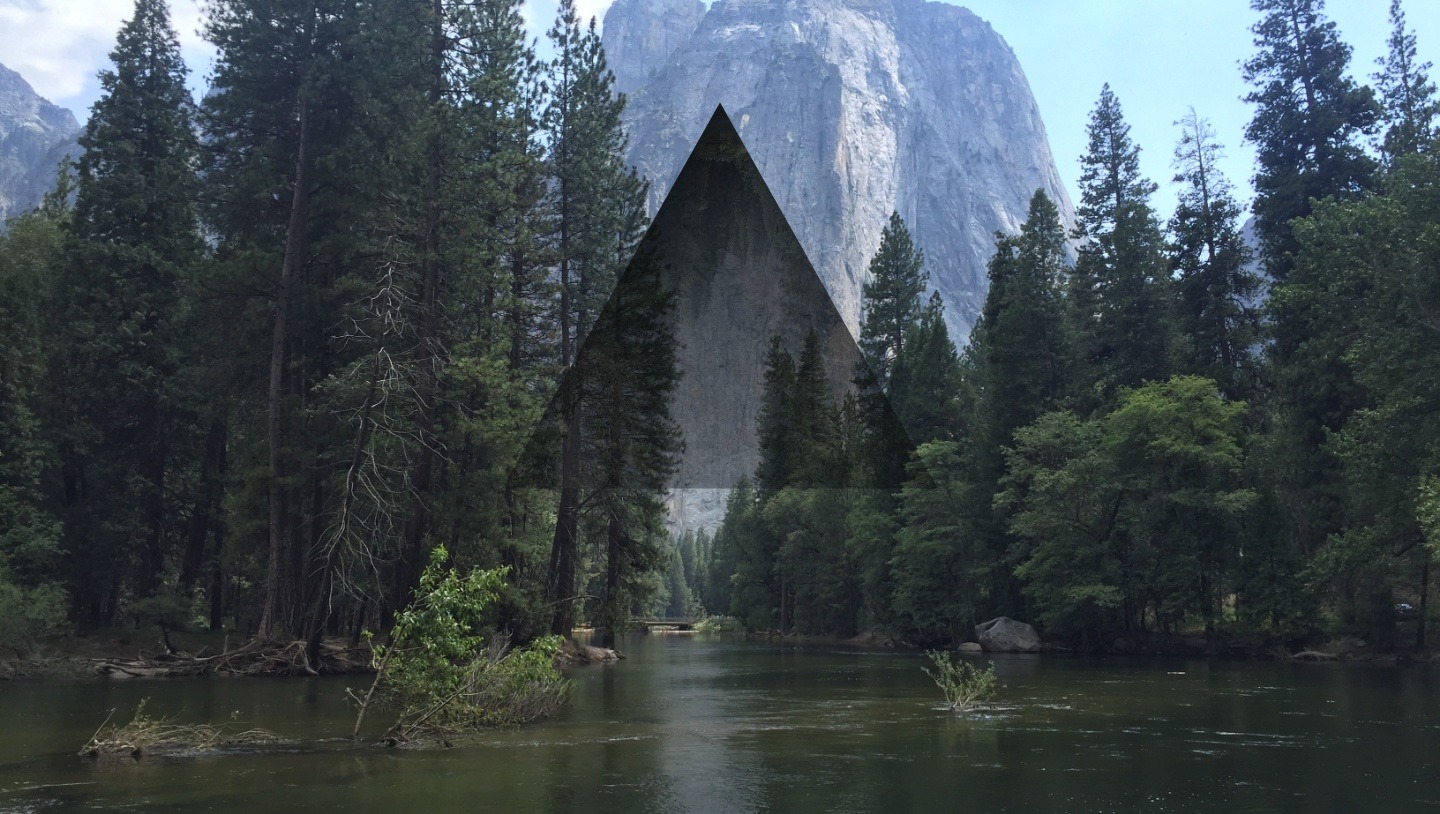
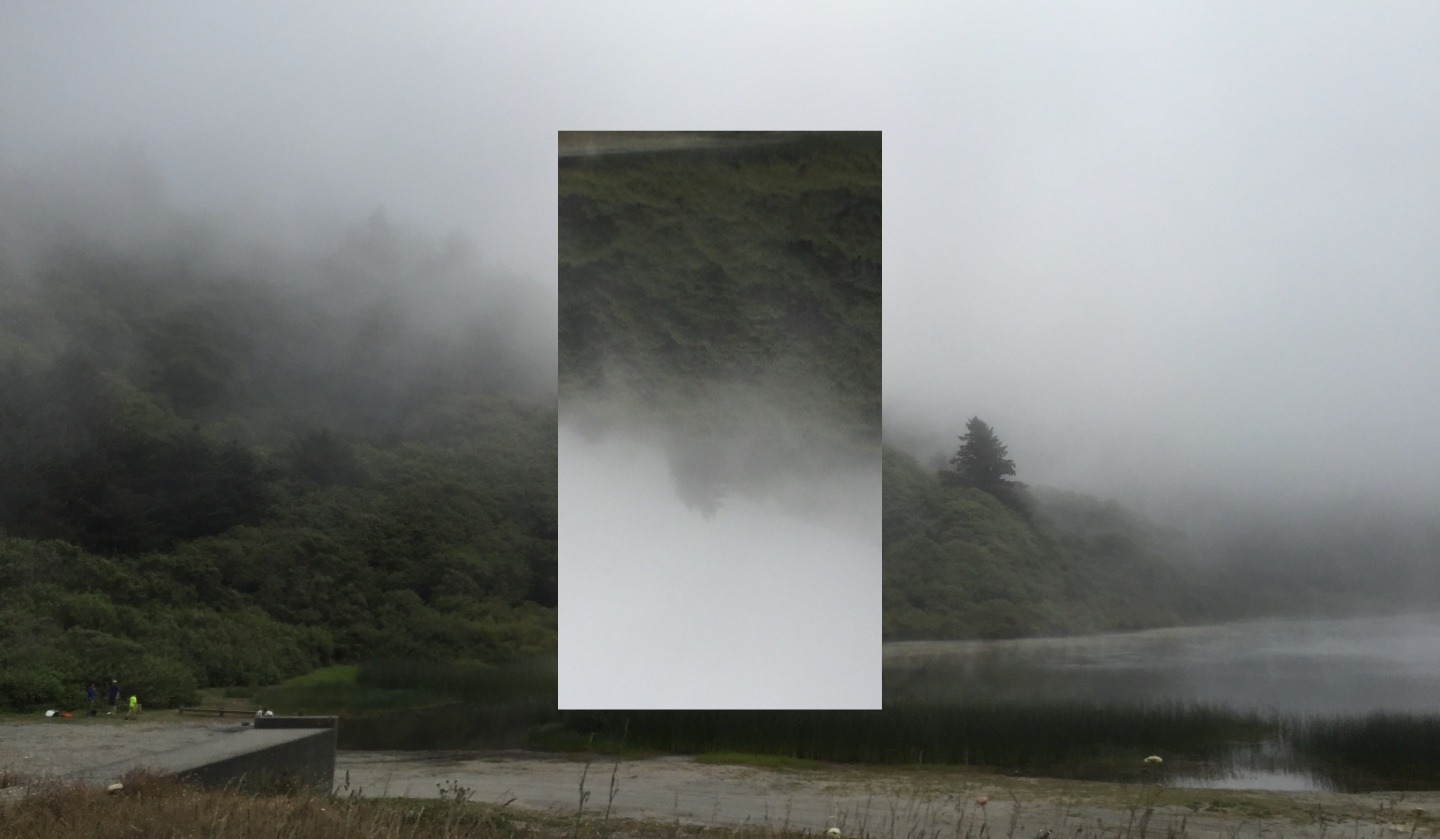
Monoliths est un projet de génération d’images en ligne développé entre 2015 et 2020. À partir d’une photographie de paysage, l’application permet de faire apparaître une forme géométrique (cercle, carré, triangle ou volume isométrique) par permutation d’une partie de l’image.
Le monolithe n’est pas ajouté au paysage. Il est produit à partir de l’image elle-même, par le déplacement et le retournement de certaines de ses zones. Une forme apparaît ainsi entre différents plans de la photographie, parfois à la limite du visible. Le paysage semble rester intact tout en étant légèrement perturbé : une découpe, un contour ou une rupture dans la perspective en modifie la lecture.
Le terme « monolithe » désigne traditionnellement un bloc constitué d’un seul élément. Ici, cette matérialité est inversée. Le monolithe est presque immatériel : il n’existe que par l’écart créé au sein de l’image. Il peut évoquer une présence, une architecture impossible, une porte ou un objet de science-fiction, sans jamais devenir complètement autonome par rapport au paysage qui le produit.
Conçu comme une application ouverte aux internautes, Monoliths permet à chacun d’utiliser ce processus à partir de ses propres photographies, puis de partager les images générées sur les réseaux sociaux et de participer à leur archivage en ligne.
Le projet propose ainsi une forme de hacking photographique. L’image est découpée, déplacée et détournée, tandis que le processus artistique lui-même devient disponible à l’appropriation et à la circulation. Le terme « hack » retrouve ici son sens littéral de couper ou tailler à l’aide d’un outil : le paysage devient la matière même de cette intervention.
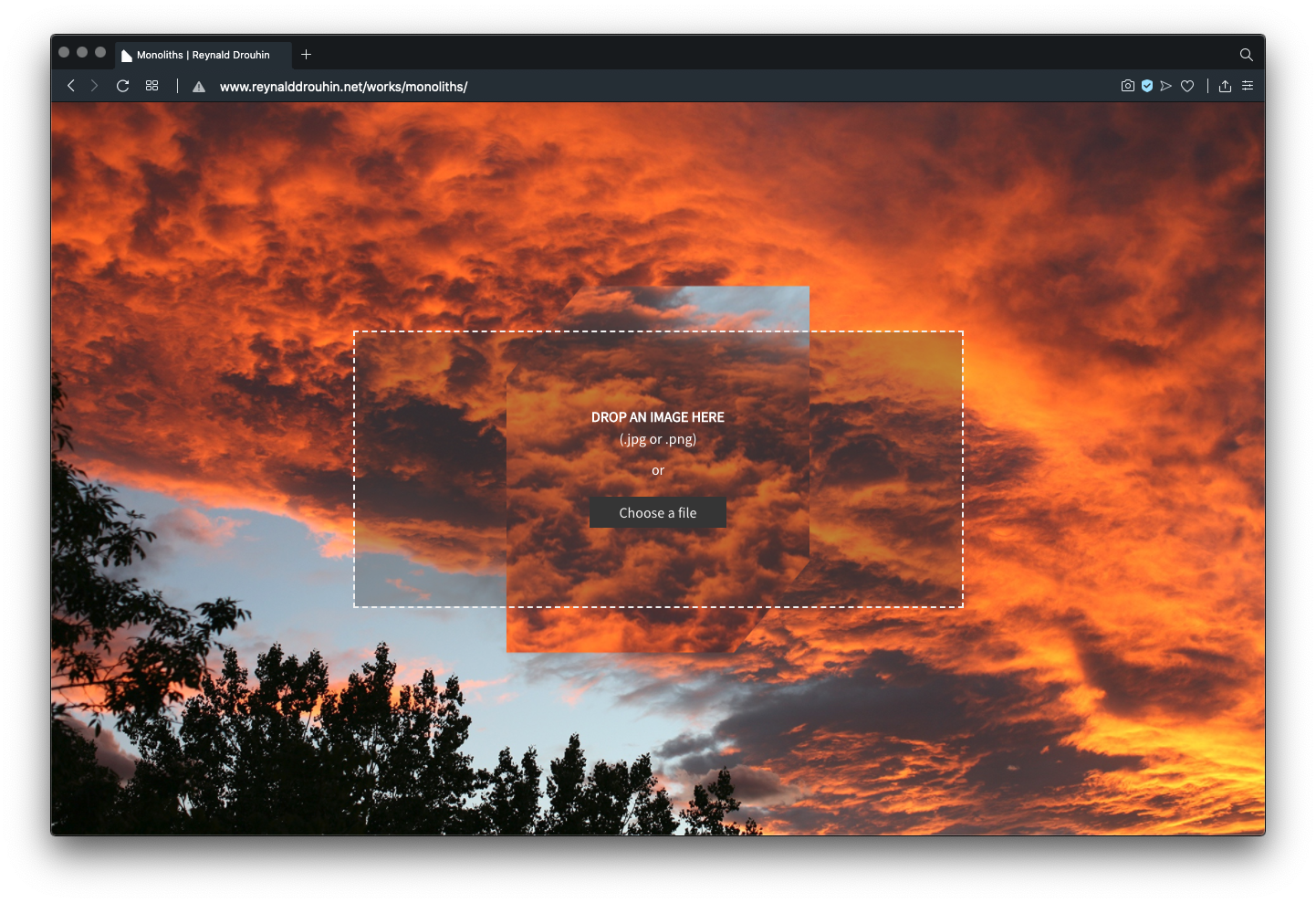
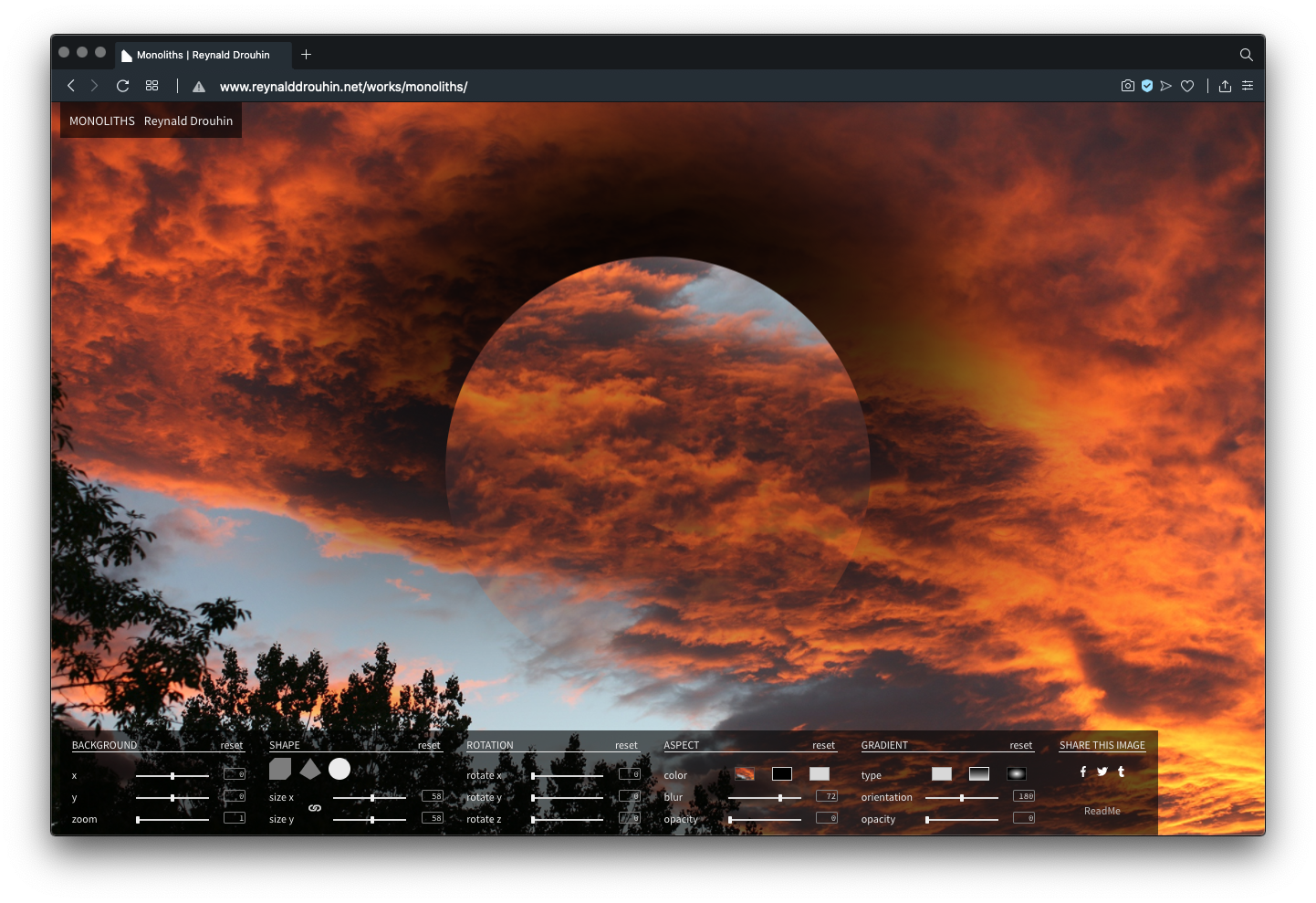
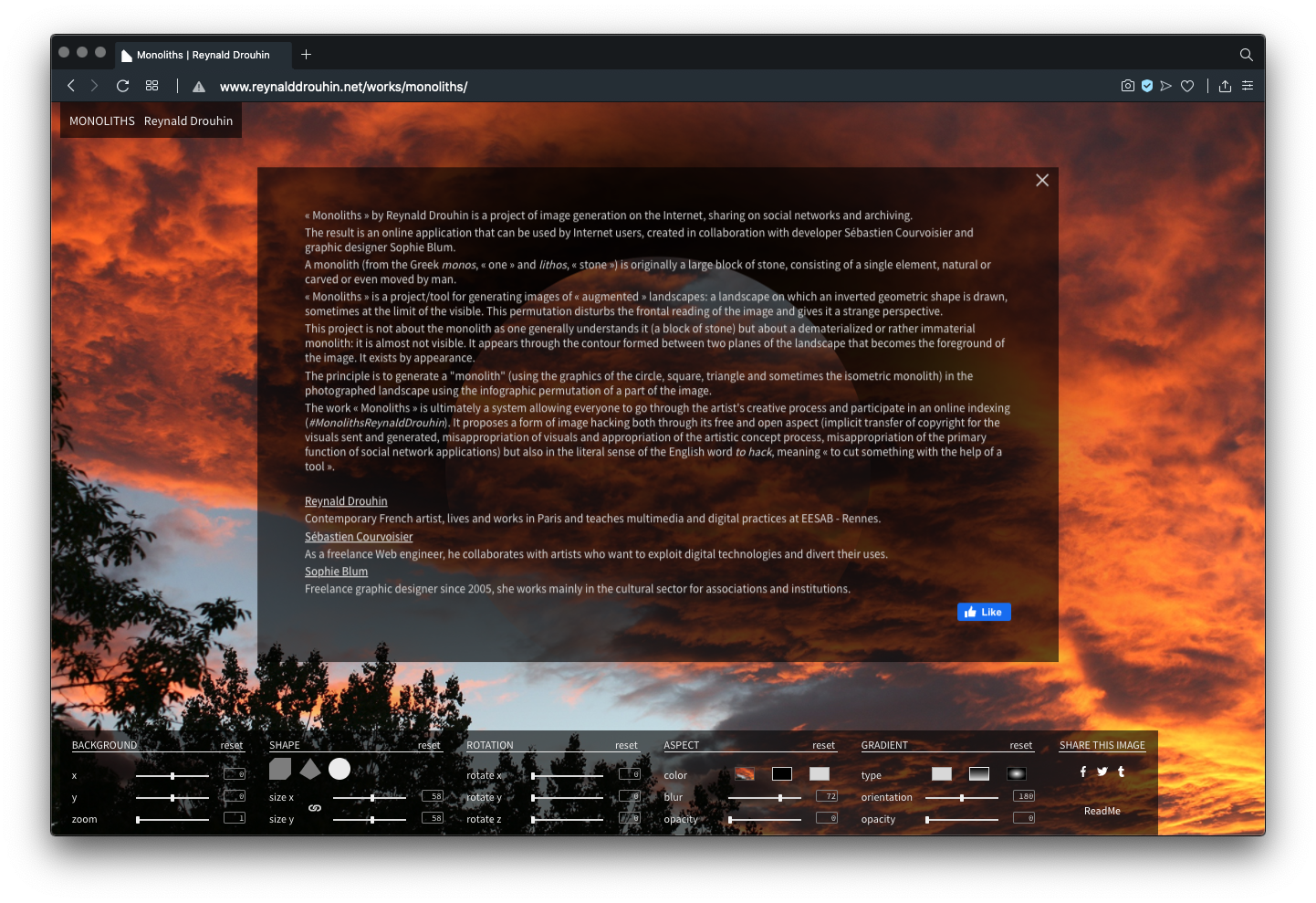
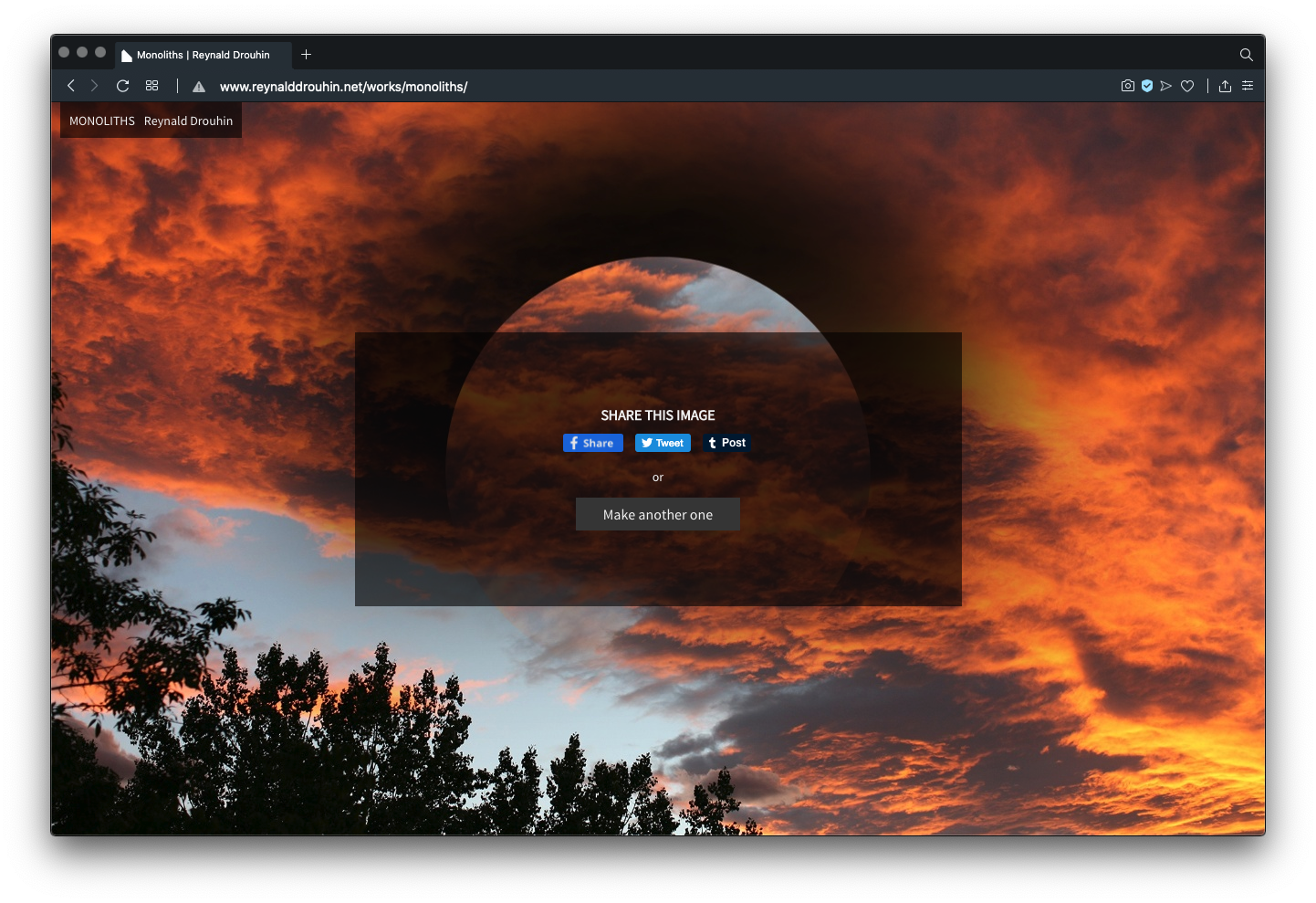
Monoliths is an online image-generation project developed between 2015 and 2020. Starting from a landscape photograph, the application allows a geometric form (circle, square, triangle, or isometric volume) to emerge through the permutation of part of the image.
The monolith is not added to the landscape. It is produced from the image itself, through the displacement and inversion of some of its areas. A form thus appears between different planes of the photograph, sometimes at the threshold of visibility. The landscape seems to remain intact while being subtly disturbed: a cut, a contour, or a break in perspective alters the way the image is read.
The term “monolith” traditionally refers to a block made from a single element. Here, that materiality is reversed. The monolith is almost immaterial: it exists only through the gap created within the image. It may evoke a presence, an impossible architecture, a doorway, or a science-fiction object, without ever becoming fully autonomous from the landscape that produces it.
Designed as an application open to Internet users, Monoliths allows anyone to apply this process to their own photographs, then share the generated images on social networks and contribute to their online archive.
The project thus proposes a form of photographic hacking. The image is cut, displaced, and diverted, while the artistic process itself becomes available for appropriation and circulation. The word “hack” also regains its literal meaning here: to cut or shape something with a tool. The landscape becomes the very material of this intervention.
Contemporary French artist, lives and works in Paris and teaches multimedia and digital practices at EESAB – Rennes.
As a freelance Web engineer, he collaborates with artists who want to exploit digital technologies and divert their uses.
Freelance graphic designer since 2005, she works mainly in the cultural sector for associations and institutions.
Exemples archivés :